Let’s be honest. The camera in your pocket is a marvel. It can capture a sunset, your kid’s first steps, or a perfectly plated meal with a tap. But sometimes, you hit a wall. The low-light shot is grainy. The portrait looks flat. You want that silky waterfall effect, but your phone just can’t do it.
That’s where the right gear comes in. We’re not talking about bulky DSLR replacements. We’re talking about clever, portable smartphone photography enhancement tools designed to solve specific problems. They bridge the gap between “good enough” and “wow, you took that with your phone?” Here’s the deal on what’s out there and what’s actually worth your time.
Lenses: Your Phone’s New Eyes
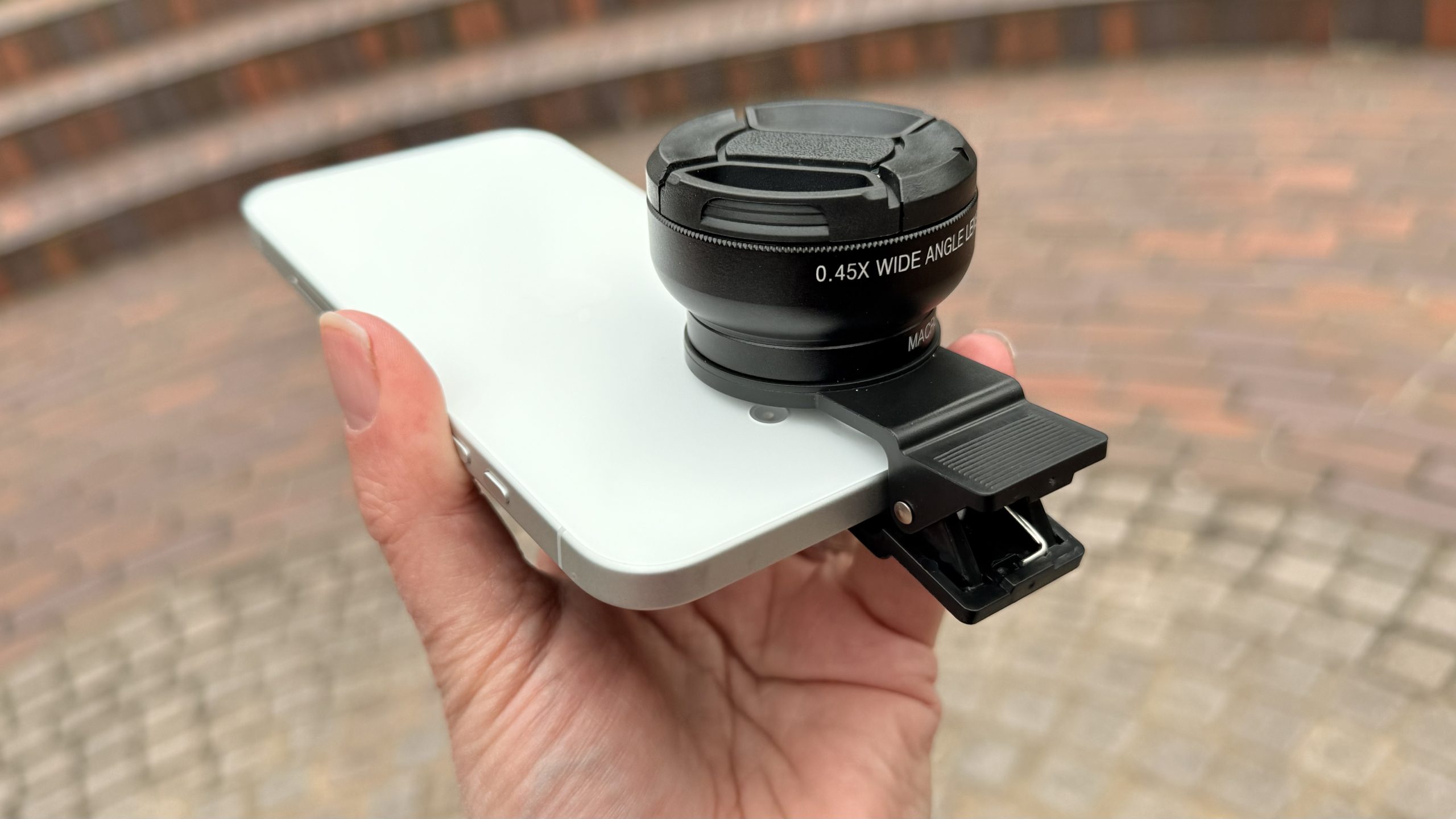
Think of these as prescription glasses for your camera. They screw or clip onto your phone, instantly expanding its visual vocabulary. The market is flooded with options, but a good set typically includes two or three core types.
The Must-Have Trio
- Wide-Angle: This is the crowd favorite. It pulls back to fit more of the scene in—perfect for landscapes, architecture, or tight group shots where you can’t physically step back. It turns a standard view into an epic vista.
- Macro: This lens is a doorway to a hidden world. It lets you focus incredibly close, revealing the intricate details of a flower’s stamen, a water droplet, or the texture of a butterfly’s wing. It’s honestly addictive once you start.
- Telephoto: While many phones have a built-in tele lens, an add-on can often provide cleaner optical zoom with less digital cropping. Great for wildlife, sports, or candid street photography where you want to keep your distance.
A quick tip? Avoid the super-cheap, plastic kits. You’re putting a piece of glass in front of your phone’s own expensive optics. A decent mid-range set from brands like Moment or Sandmarc makes a tangible difference without breaking the bank.
Stabilization: The Secret to Pro-Level Video & Low Light
This is, in my opinion, the single most impactful smartphone photography gadget you can buy. Your phone’s internal stabilization is good, but it has limits. A dedicated gimbal is a game-changer.
Imagine buttery-smooth panning shots, cinematic walking sequences with zero shake, and the ability to shoot long-exposure light trails handheld. That’s what a gimbal does. It uses motors to actively counteract every little jerk and wobble. For vloggers, travel creators, or anyone who wants their video to look polished, it’s non-negotiable.
Popular models from DJI (like the Osmo Mobile series) or Zhiyun are intuitive, packing features like object tracking and motion timelapse modes. They turn complex shots into a one-tap operation.
Lighting: Because Good Light is Everything
You can have the best camera in the world, but bad light ruins everything. Smartphone flashes? Harsh and unflattering. The solution is portable, controllable light.
Small LED panels, often no bigger than a credit card, are revolutionizing mobile photography. You can adjust their brightness and, on better models, even their color temperature (from warm orange to cool blue). This means perfect, flattering light for portraits, product shots, or food photos in a dimly lit restaurant. Some even come with diffusion filters to soften the light—it’s like having a tiny, portable photography studio.
The Support System: Tripods & Mounts
This is the unsung hero category. A sturdy, flexible tripod unlocks so many possibilities. We’re talking long exposures for star trails or smooth water, consistent framing for time-lapses, and hands-free operation for group shots or video calls.
The trend is towards compact, versatile designs. Look for:
- Joby GorillaPod-style tripods: Their bendy legs wrap around poles, tree branches, or uneven surfaces.
- Compact travel tripods: Lightweight but stable, often with a removable ball head for flexible phone mounting.
- Specialized mounts: Think suction cups for car dash or window shots, or even simple clip mounts for positioning your phone in unexpected places.
Audio Enhancement: For When Sound Matters
Okay, this one’s for the videographers. Your phone’s microphone picks up everything—wind, crowd noise, the hum of your fridge. If you’re creating any content where voice is key (interviews, tutorials, documentaries), an external mic is a massive upgrade.
Lavalier mics that clip to clothing offer crisp, clear voice capture. Directional shotgun mics mounted on top of your phone reject background noise and focus on what’s in front of them. The difference in perceived quality is staggering.
Software & Apps: The Digital Darkroom
Gadgets are great, but let’s not forget the power of software. Shooting in your phone’s Pro or RAW mode gives you a much richer file to edit. And pairing that with powerful apps is like having a darkroom in your pocket.
Apps like Adobe Lightroom Mobile, Snapseed, or even the increasingly powerful native editors on iPhones and Pixels allow for granular control. You can recover shadows, tweak colors with precision, and apply selective edits. It’s the final, crucial step in the enhancement chain.
Putting It All Together: A Practical Setup Guide
Feeling overwhelmed? Don’t be. You don’t need it all. Start with the tool that solves your biggest pain point. To make it easier, here’s a quick breakdown of tools for common goals:
| Your Goal | Primary Tool | Why It Works |
| Crisp, stable video | Gimbal Stabilizer | Eliminates shake for cinematic motion. |
| Detailed close-ups | Macro Lens | Unlocks a miniature world invisible to the standard lens. |
| Better low-light & portraits | Portable LED Light | Gives you control over the most important element: light. |
| Long exposures & group shots | Flexible Tripod | Provides essential stability and hands-free operation. |
| Professional vlogging audio | External Microphone | Isolates and clarifies voice, rejecting ambient noise. |
The beauty of this ecosystem is its modularity. You can build a kit that fits in a small bag but dramatically expands your creative potential. It’s less about the gear for gear’s sake and more about solving specific creative problems.
So, what’s the real takeaway? The best camera is the one you have with you. And now, that camera doesn’t have to be limited by its fixed lens and tiny sensors. With a few thoughtful additions, you’re not just taking snapshots. You’re crafting photographs. You’re telling stories with light and shadow, detail and motion. The barrier to entry for compelling visual storytelling has never been lower—it just might require a small clip, a twist of a lens, or the gentle hum of a gimbal to get you there.