Let’s be honest. The camera in your pocket has changed everything. It’s not just for selfies and sunsets anymore. For people with specialized passions and jobs—from birdwatchers to botanists, from real estate agents to artisan jewelers—the smartphone has become an indispensable, surprisingly powerful tool.
Here’s the deal: you don’t always need a $3,000 DSLR rig to capture what matters. The best camera, as the old saying goes, is the one you have with you. And for niche work, that immediacy, that connectivity, is everything. Let’s dive into how you can leverage your phone to document, analyze, and even grow your unique craft.
Beyond the Basics: Tailoring Your Phone for Specialized Shots
First, a mindset shift. Think of your smartphone not as a simple point-and-shoot, but as a modular imaging platform. It’s the lens, the notebook, the scanner, and the publishing studio—all in one. The key is knowing which features to harness for your specific needs.
Macro Magic for the Miniature World
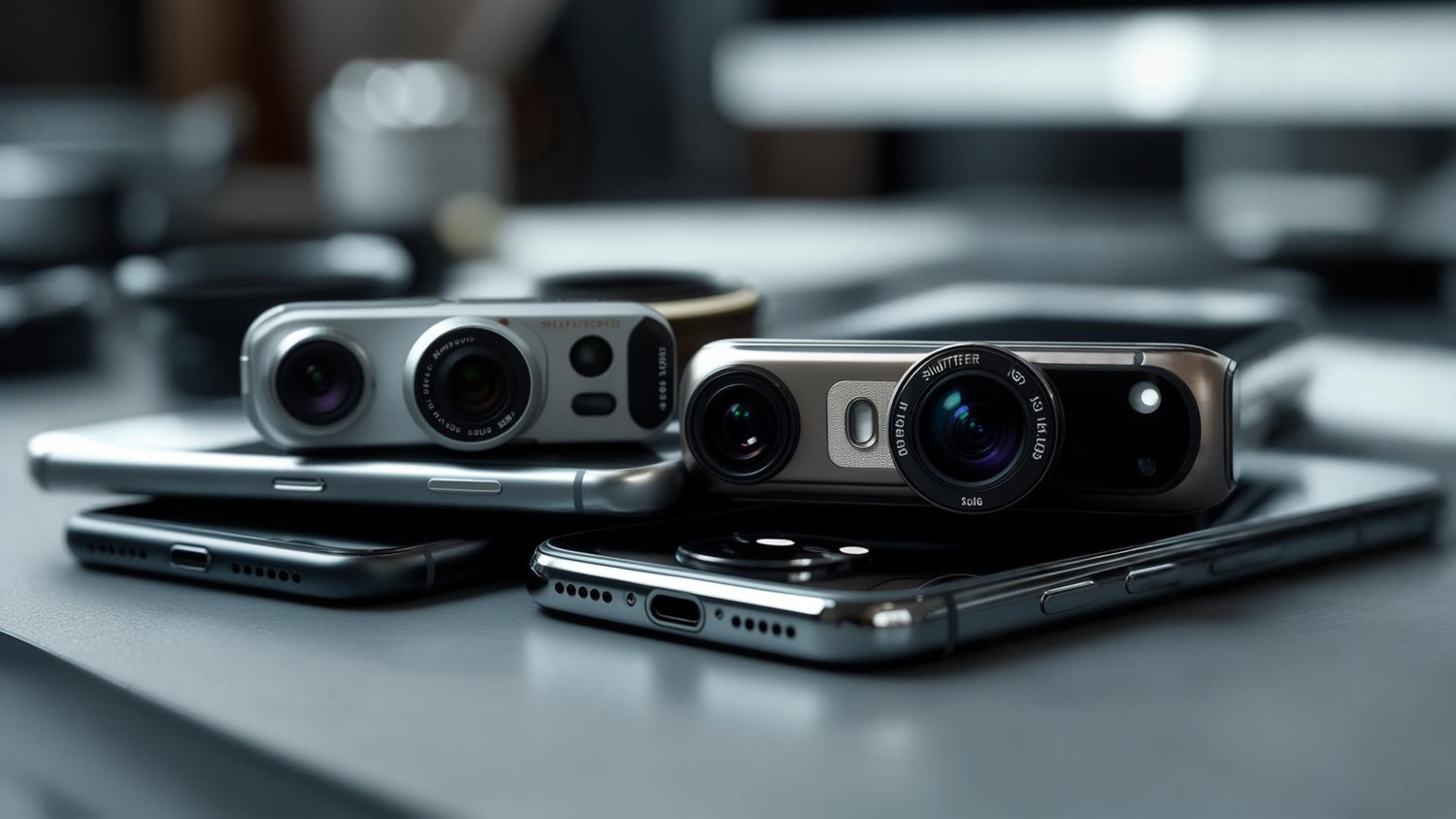
For hobbies like insect collecting, coin or stamp grading, or detailed craft work (think miniature painting or circuit board soldering), macro capability is a game-changer. Modern phones have pretty decent built-in macro modes, sure. But the real secret? Clip-on macro lenses. They’re cheap, they’re portable, and they transform your phone into a window on a tiny universe.
Imagine documenting the iridescent wing of a beetle for your entomology log. Or capturing the mint mark on a coin for a collector’s forum. That level of detail, captured instantly, is incredibly powerful. The trick is lighting—get a small, flexible LED light to avoid casting shadows, and use your phone’s timer to eliminate shake.
The Long Reach: Telephoto for Observation
Birders, astronomers (for wide-field astro shots), and even contractors assessing roof damage need reach. While optical zoom on phones is getting better, it’s still limited. But, you know, there are tactics. The “digital zoom on a high-resolution sensor” trick can work if you shoot in RAW and have good light. Better yet, a steadying tool is non-negotiable.
A pocket-sized tripod or even a simple bean bag can make your telephoto shots usable for identification purposes. For a birder, getting a clear enough shot to ID a warbler’s eye-ring later is a huge win. It’s about documentation, not necessarily gallery art.
Professional Applications: More Than Just Snapshots
For many small business owners and freelancers, the smartphone is the primary camera for their workflow. And honestly, it’s often all they need.
Real Estate & Property: The 0.5x ultra-wide lens is the unsung hero here. It captures entire rooms without the distorted fisheye look of older tech. A quick, consistent process—clean lens, turn on all lights, shoot in a grid pattern—creates professional-looking inventory photos or client updates on the fly.
Artisans & Makers: Jewelry, pottery, woodworking. The challenge is texture and true color. Use natural, diffused light (a cloudy day is perfect) and a plain backdrop. The “Portrait” mode, often maligned, can be great for isolating a finished piece from a busy workshop background. Just be careful with edge detection on intricate items.
Field Researchers & Educators: A science teacher documenting a frog dissection? A geologist logging soil strata? The smartphone’s ability to instantly geotag, voice-note annotate (using apps like Snapseed or just your notes app), and stitch panoramas is… well, it’s revolutionary for field documentation. It links the visual data with context seamlessly.
The Essential Toolkit: Apps and Accessories That Actually Help
Okay, so what do you actually need? Let’s break it down without overcomplicating things.
| Accessory | Best For | Why It Matters |
| Mini Tripod & Bluetooth Shutter | Macro, low-light, timelapse | Eliminates shake for critical detail. Hands-free operation. |
| Clip-on Lens Kit (Macro/Wide) | Hobbyists (coins, insects, crafts), Real Estate | Expands optical capability cheaply. The macro lens is a star. |
| Portable LED Light Panel | All indoor product work, macro | Controls shadows and color temperature. Consistency is key. |
| Lens Cleaning Cloth | Everyone. Seriously. | A smudged lens ruins every shot. The most overlooked tool. |
For apps, move beyond the native camera app for control. An app like ProCamera or Halide gives you manual control over ISO, shutter speed, and focus—crucial for tricky lighting. Use Adobe Lightroom Mobile to shoot in RAW and edit non-destructively. For focus stacking (a technique where you combine multiple macro shots for deeper focus), Helicon Focus has a mobile version that’s, frankly, magic for serious macro hobbyists.
Workflow & Organization: The Unsexy, Vital Step
Capturing the image is only half the battle. A phone can become a chaotic mess of photos quickly. You need a system.
- Folder by Project/Date: Immediately move photos from your main camera roll into dedicated albums. “2024-05_Banded_Birds” or “Maple_Table_Commission.”
- Use Cloud Sync Wisely: iCloud, Google Photos, or Dropbox. Set it to upload originals. This is your backup. It also lets you access the files on a proper computer for more detailed work.
- Metadata is Your Friend: Rename files descriptively. Use your phone’s “Add a Caption” feature or edit the EXIF data in Lightroom to note species, location, material, client name. Future-you will be grateful.
The Human Element in a Digital Frame
At the end of the day, this isn’t about technical perfection. It’s about connection and utility. The slight blur in a photo of a rare bird tells a story of excitement. The sawdust on the bench in a woodworking shot adds authenticity. Your smartphone allows you to capture the process, the context, not just the polished final product.
That immediacy—snapping a pic of a plant you can’t identify and using a plant ID app right there in the forest, or sending a quick progress shot to a client—that’s the real power. It closes the loop between observation, documentation, and action.
So look at the phone in your hand differently. It’s not just a gadget. For your niche, your passion, your specialized work, it’s perhaps the most versatile tool you own. The barrier to entry is gone. Now, the only limit is how creatively you can see the world—and point your lens at it.