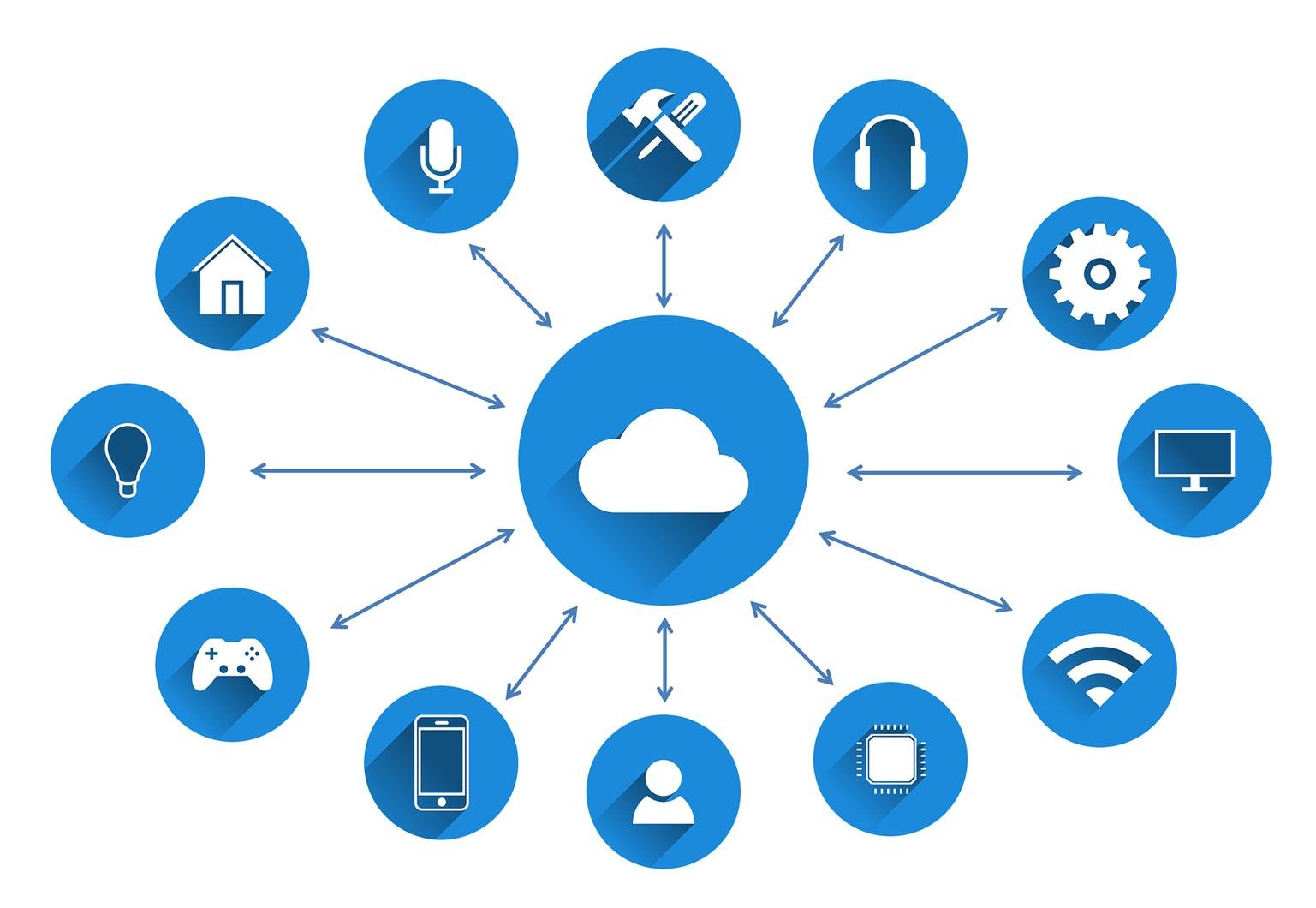
Imagine your city’s traffic lights. For decades, they’ve been dumb timers, or at best, simple sensors reacting to a single car. Now, imagine they’re not just connected, but intelligent. They’re analyzing live video feeds from four intersections away, counting pedestrians on their phones at the crosswalk, and adjusting their patterns in milliseconds to prevent a jam—all without sending a single byte of data to a server hundreds of miles away. That’s the magic of edge computing for smart cities.
Here’s the deal: traditional cloud computing is like having all your city’s decisions made in a distant headquarters. It works, but it’s slow. Edge computing, well, it puts the brainpower right where the action is—at the “edge” of the network, on devices and local servers scattered throughout the urban landscape. This shift isn’t just a tech upgrade; it’s a fundamental rethinking of how a city can feel, react, and breathe.
Why Edge Computing is Non-Negotiable for Urban Intelligence
Let’s be honest, the promise of smart cities has sometimes stumbled over a few harsh realities. Massive amounts of data from thousands of sensors create crippling bandwidth costs. The latency, or delay, in sending data to the cloud and back can be a matter of seconds—which is an eternity for an autonomous vehicle about to brake. And then there’s security; transmitting everything centrally creates a juicy target.
Edge computing tackles these pain points head-on. By processing data locally, it:
- Slays Latency: Decisions happen in milliseconds. Crucial for real-time applications.
- Trims the Data Fat: It sends only essential, processed insights to the cloud, not endless raw video streams.
- Boosts Resilience: If the central cloud goes down, local systems can keep critical operations running.
- Enhances Privacy: Sensitive data, like camera footage, can be analyzed locally and anonymized before it ever leaves the street corner.
Real-World Applications: The City That Thinks on Its Feet
Okay, so the theory sounds good. But what does this actually look like on the ground? Let’s dive into some concrete edge computing use cases that are transforming urban spaces right now.
1. Traffic Management & Autonomous Vehicle Coordination
This is perhaps the most visceral example. Edge nodes at intersections process data from cameras, radar, and connected vehicles instantly. They don’t just see a car running a red light; they predict it and can alert nearby autonomous shuttles. They optimize light sequences in real-time for emergency vehicle preemption, clearing a path literally as the siren is heard. The result? Not just smoother commutes, but genuinely safer streets.
2. Public Safety and Surveillance
And before you think “surveillance state,” consider this nuance. Edge-powered cameras can analyze scenes locally to detect anomalies—an unattended bag, a person falling, a potential altercation—and send only an alert with a clipped video snippet to authorities. They’re not constantly broadcasting every citizen’s movement; they’re acting as a discreet, efficient lookout, preserving bandwidth and personal privacy while improving response times.
3. Smart Grid and Energy Management
The power grid is getting chaotic, in a good way, with solar panels on every roof and EVs charging in every garage. Edge controllers in substations and even on transformers can balance local supply and demand in real-time. They can isolate faults to a single block instead of causing a neighborhood blackout. This local intelligence is what makes a resilient, renewable-heavy grid actually possible.
| Application Area | Edge Computing Role | Key Benefit |
| Waste Management | Smart bin sensors process fill-level data locally and only alert routes when truly full. | 50-60% reduction in collection costs and truck emissions. |
| Environmental Monitoring | Local air quality nodes process sensor data and trigger hyperlocal alerts for pollutants. | Immediate public health advisories and source identification. |
| Public Wi-Fi & Connectivity | Edge nodes cache popular content and manage local network traffic. | Faster, more reliable public internet, even during large events. |
The Not-So-Glamorous Hurdles (It’s Not All Easy)
Of course, deploying a distributed “brain” across a city comes with its own headaches. The physical hardware—those edge servers—need to be housed in secure, temperature-controlled, yet accessible locations. Think ruggedized cabinets on light poles or in subway tunnels. Managing and updating thousands of these distributed devices is a monumental IT challenge compared to a few centralized data centers.
And then there’s the interoperability puzzle. A city uses systems from dozens of vendors. Getting traffic lights from Company A to talk seamlessly with surveillance cameras from Company B and grid sensors from Company C requires robust, open standards. We’re getting better, but it’s a work in progress, you know?
The Future Feels Local: A Concluding Thought
In the end, edge computing for smart cities isn’t about replacing the cloud. It’s about creating a nervous system. The cloud remains the cerebral cortex—the place for deep learning, long-term trends, and massive data storage. But the edge? That’s the spinal cord and the synaptic reflexes. It’s the part that jerks your hand away from a hot stove before you even feel the pain.
As our urban environments get more crowded and complex, that split-second intelligence becomes the difference between a city that merely functions and one that adapts. A city that doesn’t just collect data, but understands its streets in the moment. The goal is a urban experience that feels less like a system and more like an organism—responsive, efficient, and, ultimately, more human.