- Pick one app and stick with it for a month. App-hopping kills momentum.
- Follow five native speakers on social media. Read their captions. Look up words you don’t know.
- Swap one podcast for a foreign-language one. Even if you only understand 40%.
- Schedule weekly conversations with a language partner through Tandem or HelloTalk.
- Change your phone’s language settings. Yes, really. It’s annoying at first. Then it’s not.
Small steps. Consistent effort. That’s the formula.
Final Thoughts
Language learning through mobile technology isn’t just convenient — it’s a genuine shift in how we connect with the world. Your phone can be a portal. A classroom. A passport. It can put you in conversation with someone across the globe while you’re waiting for your coffee.
And sure, it’s not the same as standing in a bustling market in Marrakech, haggling over the price of spices in Darija. But it’s a start. And for millions of people who’ll never get that chance, a start is everything.
So the next time you unlock your screen, ask yourself: am I scrolling… or am I traveling? The answer might surprise you.
- Stream music from Brazil while you cook dinner.
- Follow Japanese photographers on Instagram and read their captions.
- Watch Korean dramas with subtitles — then rewatch without them.
- Listen to podcasts from Nairobi or Mumbai during your commute.
Each of these is a tiny act of immersion. Stack enough of them, and something shifts. You start hearing rhythm in the language. You catch cultural references. You laugh at jokes that would’ve flown over your head a month ago.
And the best part? You’re not just learning about a culture. You’re participating in it — even from thousands of miles away.
Virtual Reality and the Future of Immersion
Okay, this is where things get genuinely exciting. VR headsets and AR apps are starting to offer something closer to true immersion. Imagine walking through a virtual Tokyo street, hearing shopkeepers call out greetings, reading signs in kanji, and practicing your response — all without a plane ticket.
Apps like Mondly VR and ImmerseMe already offer simulated real-world scenarios. Ordering food in a French café. Asking for directions in Beijing. It’s not the same as being there, obviously. But it’s a heck of a lot closer than a textbook.
And as the technology improves — better graphics, more natural voice recognition, haptic feedback — the line between “studying” and “experiencing” will blur even further.
Real Connections, Real Growth
Here’s something the research keeps confirming: social interaction accelerates language acquisition more than almost anything else. And mobile tech makes those interactions possible on a scale we’ve never had before.
You can video chat with a tutor in Buenos Aires. Join a Discord server full of German learners and native speakers. Comment on an Egyptian food blogger’s post and get a reply. These micro-connections add up.
They also build confidence. Because messing up in front of a screen feels less terrifying than messing up in front of a room full of people. You stumble, you laugh, you try again. That’s how fluency actually happens — not through perfection, but through repetition and resilience.
A Quick Comparison: Old vs. New
| Traditional Learning | Mobile-Powered Learning |
|---|---|
| Textbook dialogues | Real podcasts, videos, social posts |
| Scheduled classes | On-demand, anytime, anywhere |
| Limited cultural context | Deep cultural immersion via media |
| Occasional native speaker contact | Instant connection with native speakers |
| Expensive study abroad | Low-cost virtual immersion |
That said, mobile learning isn’t a magic bullet. It requires discipline. Distraction is literally one tap away. And no app can fully replace the messy, beautiful chaos of living inside another culture.
But as a supplement? As a doorway? It’s remarkably effective.
Tips for Making It Work
If you’re ready to use your phone for more than doomscrolling, here are a few practical moves:
- Pick one app and stick with it for a month. App-hopping kills momentum.
- Follow five native speakers on social media. Read their captions. Look up words you don’t know.
- Swap one podcast for a foreign-language one. Even if you only understand 40%.
- Schedule weekly conversations with a language partner through Tandem or HelloTalk.
- Change your phone’s language settings. Yes, really. It’s annoying at first. Then it’s not.
Small steps. Consistent effort. That’s the formula.
Final Thoughts
Language learning through mobile technology isn’t just convenient — it’s a genuine shift in how we connect with the world. Your phone can be a portal. A classroom. A passport. It can put you in conversation with someone across the globe while you’re waiting for your coffee.
And sure, it’s not the same as standing in a bustling market in Marrakech, haggling over the price of spices in Darija. But it’s a start. And for millions of people who’ll never get that chance, a start is everything.
So the next time you unlock your screen, ask yourself: am I scrolling… or am I traveling? The answer might surprise you.
- Stream music from Brazil while you cook dinner.
- Follow Japanese photographers on Instagram and read their captions.
- Watch Korean dramas with subtitles — then rewatch without them.
- Listen to podcasts from Nairobi or Mumbai during your commute.
Each of these is a tiny act of immersion. Stack enough of them, and something shifts. You start hearing rhythm in the language. You catch cultural references. You laugh at jokes that would’ve flown over your head a month ago.
And the best part? You’re not just learning about a culture. You’re participating in it — even from thousands of miles away.
Virtual Reality and the Future of Immersion
Okay, this is where things get genuinely exciting. VR headsets and AR apps are starting to offer something closer to true immersion. Imagine walking through a virtual Tokyo street, hearing shopkeepers call out greetings, reading signs in kanji, and practicing your response — all without a plane ticket.
Apps like Mondly VR and ImmerseMe already offer simulated real-world scenarios. Ordering food in a French café. Asking for directions in Beijing. It’s not the same as being there, obviously. But it’s a heck of a lot closer than a textbook.
And as the technology improves — better graphics, more natural voice recognition, haptic feedback — the line between “studying” and “experiencing” will blur even further.
Real Connections, Real Growth
Here’s something the research keeps confirming: social interaction accelerates language acquisition more than almost anything else. And mobile tech makes those interactions possible on a scale we’ve never had before.
You can video chat with a tutor in Buenos Aires. Join a Discord server full of German learners and native speakers. Comment on an Egyptian food blogger’s post and get a reply. These micro-connections add up.
They also build confidence. Because messing up in front of a screen feels less terrifying than messing up in front of a room full of people. You stumble, you laugh, you try again. That’s how fluency actually happens — not through perfection, but through repetition and resilience.
A Quick Comparison: Old vs. New
| Traditional Learning | Mobile-Powered Learning |
|---|---|
| Textbook dialogues | Real podcasts, videos, social posts |
| Scheduled classes | On-demand, anytime, anywhere |
| Limited cultural context | Deep cultural immersion via media |
| Occasional native speaker contact | Instant connection with native speakers |
| Expensive study abroad | Low-cost virtual immersion |
That said, mobile learning isn’t a magic bullet. It requires discipline. Distraction is literally one tap away. And no app can fully replace the messy, beautiful chaos of living inside another culture.
But as a supplement? As a doorway? It’s remarkably effective.
Tips for Making It Work
If you’re ready to use your phone for more than doomscrolling, here are a few practical moves:
- Pick one app and stick with it for a month. App-hopping kills momentum.
- Follow five native speakers on social media. Read their captions. Look up words you don’t know.
- Swap one podcast for a foreign-language one. Even if you only understand 40%.
- Schedule weekly conversations with a language partner through Tandem or HelloTalk.
- Change your phone’s language settings. Yes, really. It’s annoying at first. Then it’s not.
Small steps. Consistent effort. That’s the formula.
Final Thoughts
Language learning through mobile technology isn’t just convenient — it’s a genuine shift in how we connect with the world. Your phone can be a portal. A classroom. A passport. It can put you in conversation with someone across the globe while you’re waiting for your coffee.
And sure, it’s not the same as standing in a bustling market in Marrakech, haggling over the price of spices in Darija. But it’s a start. And for millions of people who’ll never get that chance, a start is everything.
So the next time you unlock your screen, ask yourself: am I scrolling… or am I traveling? The answer might surprise you.
Remember when learning a language meant hauling around a textbook the size of a cinder block? Or sitting in a classroom, repeating phrases until your jaw ached? Well, those days are… mostly behind us. Your phone — that little rectangle you probably glanced at three seconds ago — has quietly become one of the most powerful language teachers ever built. And honestly, it’s not just about vocabulary drills anymore. It’s about stepping into another culture without leaving your couch.
Let’s dive into how mobile technology is reshaping both language learning and genuine cultural immersion — and why that combination matters more than either one alone.
Why Language Alone Isn’t Enough
Here’s the deal: you can memorize ten thousand Spanish words and still freeze up when someone cracks a joke in Madrid. Language lives inside culture. Idioms, humor, politeness norms, even the way people pause during conversation — all of it carries meaning that a flashcard can’t capture.
That’s where cultural immersion comes in. Traditionally, immersion meant physically going somewhere — studying abroad, living with a host family, ordering coffee in a language you barely speak while your heart pounds. Powerful? Absolutely. Accessible to everyone? Not even close.
Mobile tech is bridging that gap. Not perfectly, sure. But in ways that would’ve seemed like science fiction a couple of decades ago.
Apps That Do More Than Flash Cards
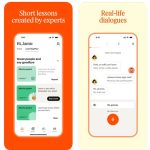
Let’s be honest — the app store is crowded. Duolingo, Babbel, Memrise, Busuu… the list goes on. Some focus on gamified vocabulary. Others lean into conversation practice. But the real shift? Apps are increasingly weaving culture into the lesson itself.
Take a few examples:
- Duolingo now includes stories and podcasts that reflect everyday life in target cultures — not just grammar drills.
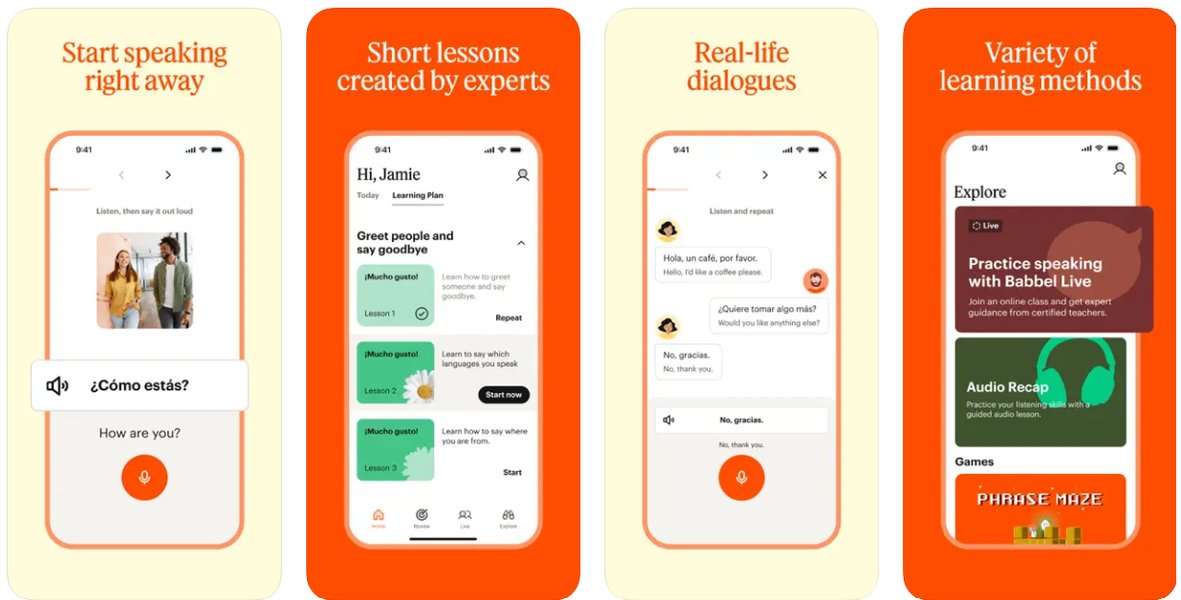
- Babbel builds lessons around realistic scenarios, like ordering at a market in Berlin or chatting with a neighbor in Rome.
- HelloTalk and Tandem connect you directly with native speakers. You teach them your language; they teach you theirs. It’s a language exchange in your pocket.
- FluentU uses real videos — music clips, news segments, movie trailers — to teach language in context.
Notice the pattern? Context. Real voices. Real situations. That’s the ingredient that turns memorization into understanding.
The Immersion Piece: More Than Just Words
Cultural immersion through mobile tech goes beyond language apps. Think about what your phone can do:
- Stream music from Brazil while you cook dinner.
- Follow Japanese photographers on Instagram and read their captions.
- Watch Korean dramas with subtitles — then rewatch without them.
- Listen to podcasts from Nairobi or Mumbai during your commute.
Each of these is a tiny act of immersion. Stack enough of them, and something shifts. You start hearing rhythm in the language. You catch cultural references. You laugh at jokes that would’ve flown over your head a month ago.
And the best part? You’re not just learning about a culture. You’re participating in it — even from thousands of miles away.
Virtual Reality and the Future of Immersion
Okay, this is where things get genuinely exciting. VR headsets and AR apps are starting to offer something closer to true immersion. Imagine walking through a virtual Tokyo street, hearing shopkeepers call out greetings, reading signs in kanji, and practicing your response — all without a plane ticket.
Apps like Mondly VR and ImmerseMe already offer simulated real-world scenarios. Ordering food in a French café. Asking for directions in Beijing. It’s not the same as being there, obviously. But it’s a heck of a lot closer than a textbook.
And as the technology improves — better graphics, more natural voice recognition, haptic feedback — the line between “studying” and “experiencing” will blur even further.
Real Connections, Real Growth
Here’s something the research keeps confirming: social interaction accelerates language acquisition more than almost anything else. And mobile tech makes those interactions possible on a scale we’ve never had before.
You can video chat with a tutor in Buenos Aires. Join a Discord server full of German learners and native speakers. Comment on an Egyptian food blogger’s post and get a reply. These micro-connections add up.
They also build confidence. Because messing up in front of a screen feels less terrifying than messing up in front of a room full of people. You stumble, you laugh, you try again. That’s how fluency actually happens — not through perfection, but through repetition and resilience.
A Quick Comparison: Old vs. New
| Traditional Learning | Mobile-Powered Learning |
|---|---|
| Textbook dialogues | Real podcasts, videos, social posts |
| Scheduled classes | On-demand, anytime, anywhere |
| Limited cultural context | Deep cultural immersion via media |
| Occasional native speaker contact | Instant connection with native speakers |
| Expensive study abroad | Low-cost virtual immersion |
That said, mobile learning isn’t a magic bullet. It requires discipline. Distraction is literally one tap away. And no app can fully replace the messy, beautiful chaos of living inside another culture.
But as a supplement? As a doorway? It’s remarkably effective.
Tips for Making It Work
If you’re ready to use your phone for more than doomscrolling, here are a few practical moves:
- Pick one app and stick with it for a month. App-hopping kills momentum.
- Follow five native speakers on social media. Read their captions. Look up words you don’t know.
- Swap one podcast for a foreign-language one. Even if you only understand 40%.
- Schedule weekly conversations with a language partner through Tandem or HelloTalk.
- Change your phone’s language settings. Yes, really. It’s annoying at first. Then it’s not.
Small steps. Consistent effort. That’s the formula.
Final Thoughts
Language learning through mobile technology isn’t just convenient — it’s a genuine shift in how we connect with the world. Your phone can be a portal. A classroom. A passport. It can put you in conversation with someone across the globe while you’re waiting for your coffee.
And sure, it’s not the same as standing in a bustling market in Marrakech, haggling over the price of spices in Darija. But it’s a start. And for millions of people who’ll never get that chance, a start is everything.
So the next time you unlock your screen, ask yourself: am I scrolling… or am I traveling? The answer might surprise you.