Version 1.0.0
There’s something undeniably comforting about the click of a mechanical keyboard, the warm glow of a vintage-style radio dial, or the chunky feel of a cassette tape. And honestly? Tech companies have noticed. Retro-inspired modern gadgets are having a moment — a big one — and it’s not just about hipster aesthetics. It’s about blending the tactile, soulful design of the past with the brains of today’s technology.
Let’s dive into why this trend is sticking around, what’s actually worth buying, and how these devices manage to feel both familiar and futuristic at the same time.
Why We’re Drawn to Retro Tech Design
Here’s the deal: modern gadgets are incredible. They’re thin, fast, and capable of things our grandparents couldn’t have imagined. But somewhere along the way, they also became… a little cold. Glass slabs and aluminum rectangles. Not much personality.
Retro-inspired devices flip that script. They borrow the warmth, texture, and character of mid-century radios, 80s boomboxes, and classic gaming consoles. And they wrap modern functionality inside that nostalgic shell.
It’s not just a design choice — it’s an emotional one. Studies on consumer behavior suggest that nostalgia increases feelings of comfort and even willingness to pay more. In fact, a 2023 report found that nearly 60% of millennials and Gen Z consumers prefer products that evoke a sense of nostalgia. That’s a huge shift.
What Counts as a Retro-Inspired Modern Gadget?
Good question. The category is broad, but there are a few common threads. These gadgets typically:
- Use vintage materials like wood, brushed metal, or faux leather
- Feature physical buttons, dials, or switches instead of touchscreens
- Borrow color palettes from the 50s, 70s, or 80s (think mustard yellow, cream, and burnt orange)
- Pack modern tech inside — Bluetooth, Wi-Fi, USB-C, you name it
So you get the best of both worlds. The charm of yesterday, the performance of today.
Standout Categories and Examples
1. Audio Gear That Looks Like It Belongs in a 1970s Living Room
Bluetooth speakers disguised as vintage radios are everywhere now. Brands like Marshall, Fender, and even smaller indie makers craft speakers with woven grilles, analog knobs, and that warm, room-filling sound. The Marshall Stanmore III, for instance, looks like a guitar amp from 1965 but streams Spotify flawlessly.
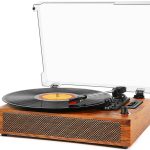
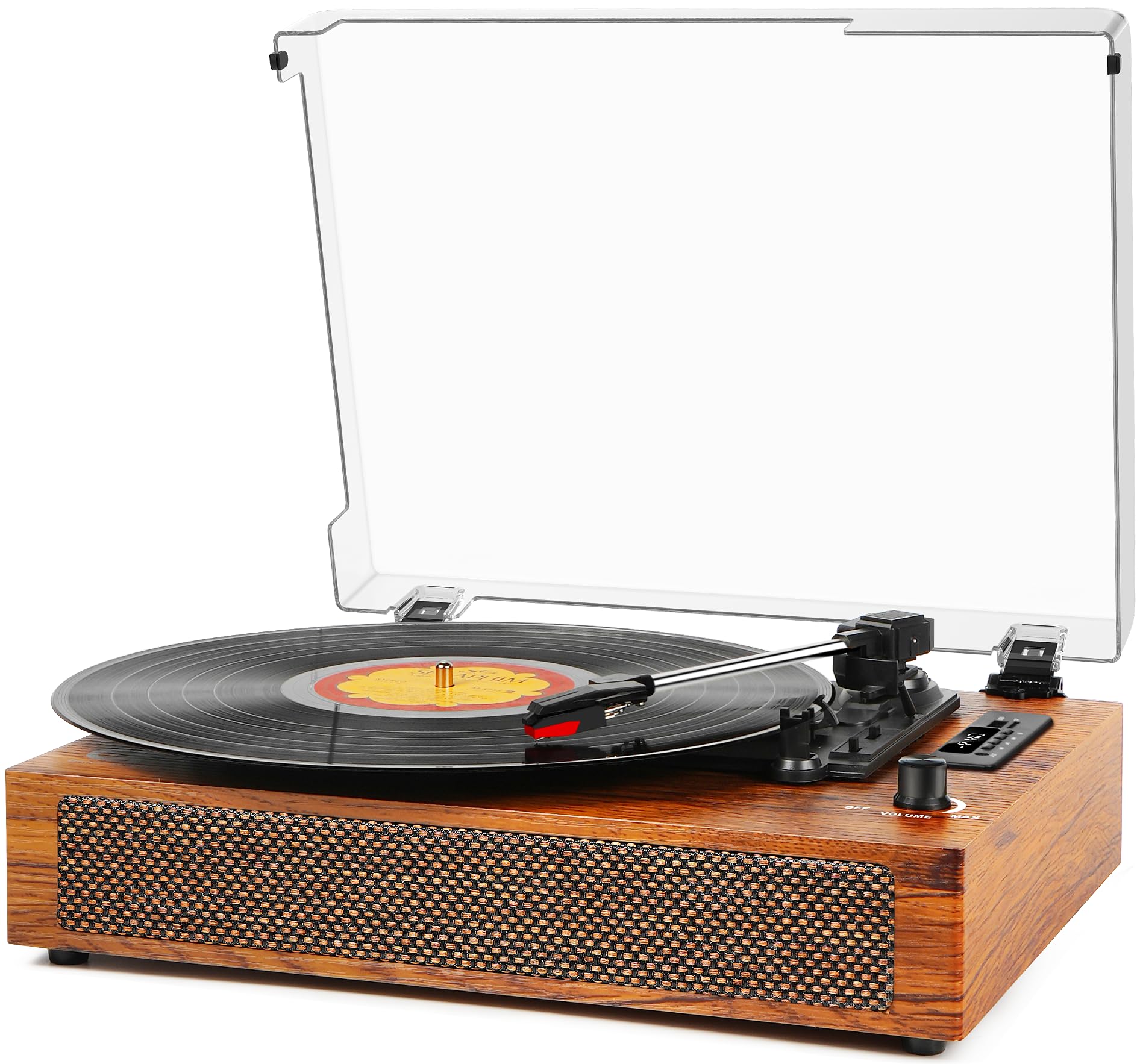
And then there are turntables with modern twists — USB output, Bluetooth pairing, and built-in preamps. You can spin vinyl and send it straight to your wireless headphones. That’s a beautiful collision of eras.
2. Keyboards and Mice with Mechanical Souls
Mechanical keyboards have exploded in popularity, and many of them lean hard into retro aesthetics. Think beige keycaps, chunky space bars, and coiled cables. Some even mimic the IBM Model M — the legendary clicky keyboard from the 80s.
Why does this matter? Because typing on a mechanical keyboard feels satisfying. The tactile feedback, the sound, the weight of each press. It’s a sensory experience that flat laptop keys just can’t match. And for people who type all day, that’s not just nostalgia — it’s ergonomics and joy.
3. Cameras That Channel the Analog Era
Fujifilm’s X100 series is a perfect example. It looks like a rangefinder from the 1960s, complete with dials for shutter speed and exposure compensation. But inside, it’s a modern digital powerhouse with film simulations that mimic Kodak and Fuji stocks.
Even smartphone apps like Dispo and Halide tap into this desire for slower, more intentional photography. The retro camera trend isn’t about rejecting digital — it’s about reintroducing ritual.
4. Gaming Handhelds with a Nostalgic Twist
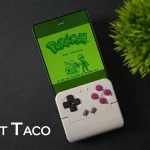
Handheld gaming is booming again, thanks to devices like the Steam Deck and Analogue Pocket. The Analogue Pocket, specifically, plays original Game Boy cartridges but on a stunning modern screen. It’s a love letter to 90s gaming.
And then there’s the Playdate — a tiny yellow handheld with a crank. Yes, a crank. It’s quirky, tactile, and unapologetically weird. In a world of identical black rectangles, that stands out.
Quick Comparison: Retro vs. Standard Modern Gadgets
| Feature | Retro-Inspired Gadget | Standard Modern Gadget |
|---|---|---|
| Materials | Wood, metal, leather | Plastic, glass, aluminum |
| Controls | Physical dials, buttons | Touchscreens, voice |
| Aesthetic | Warm, textured, nostalgic | Sleek, minimal, uniform |
| User Experience | Tactile, ritualistic | Fast, frictionless |
| Price Range | Often premium | Wide range |
That said, retro-inspired gadgets aren’t always cheaper. In fact, they’re often more expensive because of the materials and smaller production runs. But for many people, the trade-off is worth it.
The Psychology Behind the Trend
Why do we crave these things? Well, part of it is digital fatigue. We’re overwhelmed by notifications, endless scrolling, and interfaces that all look the same. Retro gadgets offer a kind of tactile rebellion. They slow us down. They ask us to turn a dial instead of tapping a screen.
There’s also the “endowment effect” — we value objects more when they feel personal and unique. A mass-produced smart speaker? Fine. A hand-finished wooden radio with brass accents? That feels like yours.
And let’s not forget the Instagram factor. These gadgets photograph beautifully. They invite you to show them off. That organic social proof fuels the trend even further.
Things to Consider Before Buying
Not every retro-inspired gadget is a winner. Some are style over substance. Here’s what to watch for:
- Check the specs, not just the shell. A vintage-looking speaker with terrible battery life isn’t worth it.
- Look for repairability. Many retro-style brands prioritize modular design. That’s a plus.
- Read reviews about durability. Faux leather can peel. Cheap wood veneer can chip.
- Consider your actual habits. If you hate clutter, a giant boombox might annoy you after a week.
Honestly, the best retro gadgets are the ones you’ll actually use — not just admire on a shelf.
The Future of Retro Tech
This isn’t a passing fad. As more devices become invisible and voice-controlled, the desire for tangible, beautiful objects will only grow. We’re already seeing retro-inspired e-bikes, smart home controllers, and even electric typewriters with cloud sync.
And sure, some of it is pure marketing. But at its best, this trend represents something deeper: a rejection of disposability. A longing for craftsmanship. A belief that technology doesn’t have to be cold to be smart.
So next time you see a Bluetooth speaker that looks like it time-traveled from 1972, don’t dismiss it as a gimmick. It might just be the most human piece of tech you own.