But here’s the thing: citizen developers aren’t trying to replace IT. They’re trying to stop drowning in manual work. When you frame it that way, the conversation changes. It’s not about control—it’s about capacity.
Regulated industries will never move as fast as a startup. And that’s okay. The goal isn’t speed for its own sake. It’s speed with accountability. Low-code and no-code tools, when paired with smart governance, offer exactly that.
So yes, the auditors will still show up. But maybe—just maybe—they’ll be impressed by what they find.
Tools are the easy part. The hard part is trust. IT teams have spent decades as gatekeepers. Letting go feels like handing your teenager the car keys for the first time. You want to believe. You also want to install a GPS tracker.
But here’s the thing: citizen developers aren’t trying to replace IT. They’re trying to stop drowning in manual work. When you frame it that way, the conversation changes. It’s not about control—it’s about capacity.
Regulated industries will never move as fast as a startup. And that’s okay. The goal isn’t speed for its own sake. It’s speed with accountability. Low-code and no-code tools, when paired with smart governance, offer exactly that.
So yes, the auditors will still show up. But maybe—just maybe—they’ll be impressed by what they find.
Let’s get concrete. A regional health insurer used Power Apps to let claims processors build their own intake forms. Turnaround time dropped from weeks to hours. The compliance team signed off because every form version was logged and tied to a specific user.
Then there’s the flip side. A bank let a team spin up a no-code tool to track customer complaints. Great idea—except someone exported a spreadsheet with PII to a personal drive. Oops. The lesson? Governance isn’t optional. It’s the seatbelt, not the brake.
How to Start Without Starting a Dumpster Fire
If you’re in a regulated industry and curious about citizen development, here’s a sane path forward.
- Pick a low-risk pilot. Internal tools, dashboards, or process trackers. Nothing customer-facing yet.
- Choose a platform with governance built in. Audit logs, SSO, data loss prevention. Non-negotiable.
- Define your guardrails early. What data can be used? Who approves? What’s off-limits?
- Train a small cohort. Mix business users with one or two IT allies who can translate.
- Review, iterate, document. Treat every app like a mini-compliance project.
And honestly? Celebrate the small wins. A citizen developer who automates a tedious report isn’t just saving time—they’re proving the model works.
The Cultural Shift Nobody Talks About
Tools are the easy part. The hard part is trust. IT teams have spent decades as gatekeepers. Letting go feels like handing your teenager the car keys for the first time. You want to believe. You also want to install a GPS tracker.
But here’s the thing: citizen developers aren’t trying to replace IT. They’re trying to stop drowning in manual work. When you frame it that way, the conversation changes. It’s not about control—it’s about capacity.
Regulated industries will never move as fast as a startup. And that’s okay. The goal isn’t speed for its own sake. It’s speed with accountability. Low-code and no-code tools, when paired with smart governance, offer exactly that.
So yes, the auditors will still show up. But maybe—just maybe—they’ll be impressed by what they find.
But the pressure is mounting. Customers expect digital experiences that feel like their favorite shopping app, not a fax machine. Regulators themselves are digitizing. And the developer shortage? Well, it’s not getting better anytime soon.
So the conversation shifted. Instead of banning citizen development, forward-thinking organizations are asking: how do we enable it safely? That’s where governance, guardrails, and the right platforms come in.
The Big Players: Low-Code and No-Code Platforms Worth Knowing
There’s no shortage of tools out there. Here’s a quick rundown of the ones that tend to show up in regulated environments.
| Platform | Type | Best For | Regulated-Industry Notes |
|---|---|---|---|
| Microsoft Power Apps | Low-code | Enterprise integration | Deep ties to Azure compliance, DLP policies |
| ServiceNow App Engine | Low-code | Workflow automation | Built-in audit trails, role-based access |
| Appian | Low-code | Process-heavy apps | Strong in financial services compliance |
| OutSystems | Low-code | Full-stack apps | HIPAA and GDPR support |
| Bubble | No-code | Rapid prototyping | Less enterprise governance—use with care |
| Retool | Low-code | Internal tools | Popular in fintech, self-hosted options |
Notice a pattern? The tools that thrive in regulated spaces tend to offer granular permission controls, audit logging, and deployment flexibility. Fancy drag-and-drop is nice. But if you can’t prove who changed what, and when, you’re sunk.
The Compliance Elephant in the Room
Here’s the deal: regulators don’t care how cool your app looks. They care about data lineage, access controls, and whether you can explain—in plain language—how a decision was made. In healthcare, that’s HIPAA. In finance, it’s SOX, PCI-DSS, and a alphabet soup of others. In Europe, GDPR looms over everything like a very serious cloud.
Low-code platforms can actually help here. Why? Because they enforce structure. When a citizen developer builds on a governed platform, certain things happen automatically—encryption, logging, versioning. It’s like building with LEGO versus whittling from raw wood. The LEGO bricks already have the safety certifications.
That said, no platform is magic. You still need:
- Clear policies on what citizen developers can and cannot build
- Review gates before anything touches production data
- Training that covers both tool usage and regulatory basics
- Monitoring so IT isn’t blindsided by a rogue app
Real-World Wins (and a Few Facepalms)
Let’s get concrete. A regional health insurer used Power Apps to let claims processors build their own intake forms. Turnaround time dropped from weeks to hours. The compliance team signed off because every form version was logged and tied to a specific user.
Then there’s the flip side. A bank let a team spin up a no-code tool to track customer complaints. Great idea—except someone exported a spreadsheet with PII to a personal drive. Oops. The lesson? Governance isn’t optional. It’s the seatbelt, not the brake.
How to Start Without Starting a Dumpster Fire
If you’re in a regulated industry and curious about citizen development, here’s a sane path forward.
- Pick a low-risk pilot. Internal tools, dashboards, or process trackers. Nothing customer-facing yet.
- Choose a platform with governance built in. Audit logs, SSO, data loss prevention. Non-negotiable.
- Define your guardrails early. What data can be used? Who approves? What’s off-limits?
- Train a small cohort. Mix business users with one or two IT allies who can translate.
- Review, iterate, document. Treat every app like a mini-compliance project.
And honestly? Celebrate the small wins. A citizen developer who automates a tedious report isn’t just saving time—they’re proving the model works.
The Cultural Shift Nobody Talks About
Tools are the easy part. The hard part is trust. IT teams have spent decades as gatekeepers. Letting go feels like handing your teenager the car keys for the first time. You want to believe. You also want to install a GPS tracker.
But here’s the thing: citizen developers aren’t trying to replace IT. They’re trying to stop drowning in manual work. When you frame it that way, the conversation changes. It’s not about control—it’s about capacity.
Regulated industries will never move as fast as a startup. And that’s okay. The goal isn’t speed for its own sake. It’s speed with accountability. Low-code and no-code tools, when paired with smart governance, offer exactly that.
So yes, the auditors will still show up. But maybe—just maybe—they’ll be impressed by what they find.
Picture this: a compliance officer at a mid-sized bank spots a bottleneck in the loan approval process. She knows exactly what needs fixing. But the IT backlog is six months deep, and hiring a developer feels like trying to book a unicorn for a pony ride. So she opens a browser tab, drags a few components around, and—three days later—has a working internal app. That’s the promise of citizen development. And in regulated industries, it’s equal parts thrilling and terrifying.
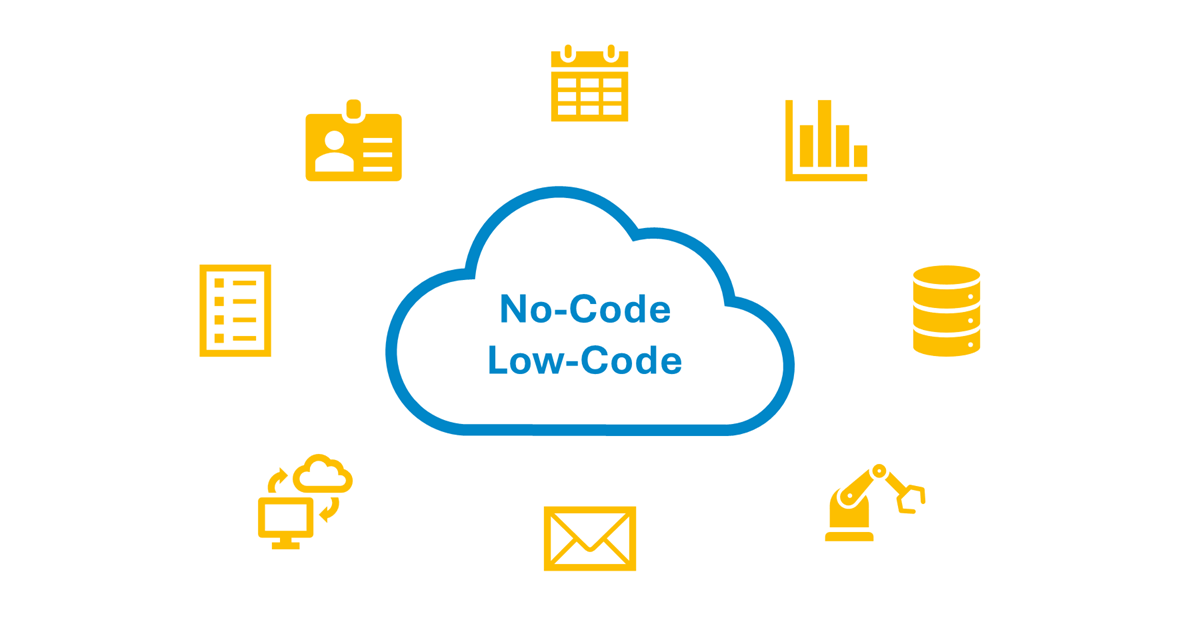
Let’s dive into how low-code and no-code tools are reshaping the way non-engineers build software in finance, healthcare, insurance, and other rule-heavy sectors. And more importantly, how to do it without inviting the auditors to camp out in your office.
What Exactly Are Citizen Developers?
Honestly, the term sounds a bit like a buzzword someone invented at a conference. But the concept is simple. A citizen developer is anyone who builds applications using tools that don’t require a computer science degree. Think of it as the difference between cooking a meal from scratch versus using a meal kit. You still make choices, you still assemble things—but the hard, technical prep is handled for you.
In regulated industries, these “cooks” are often operations managers, nurses, claims adjusters, or risk analysts. They understand the business problem intimately. What they lack is the coding chops to solve it themselves. Low-code and no-code platforms bridge that gap.
Why Regulated Industries Are Warming Up (Slowly)
For years, regulated sectors treated shadow IT like a raccoon in the attic—cute in theory, destructive in practice. And sure, the caution made sense. When a single data leak can trigger seven-figure fines, you don’t hand the keys to just anyone.
But the pressure is mounting. Customers expect digital experiences that feel like their favorite shopping app, not a fax machine. Regulators themselves are digitizing. And the developer shortage? Well, it’s not getting better anytime soon.
So the conversation shifted. Instead of banning citizen development, forward-thinking organizations are asking: how do we enable it safely? That’s where governance, guardrails, and the right platforms come in.
The Big Players: Low-Code and No-Code Platforms Worth Knowing
There’s no shortage of tools out there. Here’s a quick rundown of the ones that tend to show up in regulated environments.
| Platform | Type | Best For | Regulated-Industry Notes |
|---|---|---|---|
| Microsoft Power Apps | Low-code | Enterprise integration | Deep ties to Azure compliance, DLP policies |
| ServiceNow App Engine | Low-code | Workflow automation | Built-in audit trails, role-based access |
| Appian | Low-code | Process-heavy apps | Strong in financial services compliance |
| OutSystems | Low-code | Full-stack apps | HIPAA and GDPR support |
| Bubble | No-code | Rapid prototyping | Less enterprise governance—use with care |
| Retool | Low-code | Internal tools | Popular in fintech, self-hosted options |
Notice a pattern? The tools that thrive in regulated spaces tend to offer granular permission controls, audit logging, and deployment flexibility. Fancy drag-and-drop is nice. But if you can’t prove who changed what, and when, you’re sunk.
The Compliance Elephant in the Room
Here’s the deal: regulators don’t care how cool your app looks. They care about data lineage, access controls, and whether you can explain—in plain language—how a decision was made. In healthcare, that’s HIPAA. In finance, it’s SOX, PCI-DSS, and a alphabet soup of others. In Europe, GDPR looms over everything like a very serious cloud.
Low-code platforms can actually help here. Why? Because they enforce structure. When a citizen developer builds on a governed platform, certain things happen automatically—encryption, logging, versioning. It’s like building with LEGO versus whittling from raw wood. The LEGO bricks already have the safety certifications.
That said, no platform is magic. You still need:
- Clear policies on what citizen developers can and cannot build
- Review gates before anything touches production data
- Training that covers both tool usage and regulatory basics
- Monitoring so IT isn’t blindsided by a rogue app
Real-World Wins (and a Few Facepalms)
Let’s get concrete. A regional health insurer used Power Apps to let claims processors build their own intake forms. Turnaround time dropped from weeks to hours. The compliance team signed off because every form version was logged and tied to a specific user.
Then there’s the flip side. A bank let a team spin up a no-code tool to track customer complaints. Great idea—except someone exported a spreadsheet with PII to a personal drive. Oops. The lesson? Governance isn’t optional. It’s the seatbelt, not the brake.
How to Start Without Starting a Dumpster Fire
If you’re in a regulated industry and curious about citizen development, here’s a sane path forward.
- Pick a low-risk pilot. Internal tools, dashboards, or process trackers. Nothing customer-facing yet.
- Choose a platform with governance built in. Audit logs, SSO, data loss prevention. Non-negotiable.
- Define your guardrails early. What data can be used? Who approves? What’s off-limits?
- Train a small cohort. Mix business users with one or two IT allies who can translate.
- Review, iterate, document. Treat every app like a mini-compliance project.
And honestly? Celebrate the small wins. A citizen developer who automates a tedious report isn’t just saving time—they’re proving the model works.
The Cultural Shift Nobody Talks About
Tools are the easy part. The hard part is trust. IT teams have spent decades as gatekeepers. Letting go feels like handing your teenager the car keys for the first time. You want to believe. You also want to install a GPS tracker.
But here’s the thing: citizen developers aren’t trying to replace IT. They’re trying to stop drowning in manual work. When you frame it that way, the conversation changes. It’s not about control—it’s about capacity.
Regulated industries will never move as fast as a startup. And that’s okay. The goal isn’t speed for its own sake. It’s speed with accountability. Low-code and no-code tools, when paired with smart governance, offer exactly that.
So yes, the auditors will still show up. But maybe—just maybe—they’ll be impressed by what they find.