You know that feeling — you just unboxed a new phone. The glass is pristine. The aluminum edges are cool to the touch. And then, you wrap it in a thick, rubbery brick of a case. Suddenly, that sleek slab of tech looks… well, kinda ugly. Honestly, it’s a trade-off nobody wants to make. But what if you didn’t have to? Enter the world of minimalist and invisible phone protection. It’s not just about being thin — it’s about preserving the designer’s intent while keeping your wallet safe from a cracked screen.
Why “Invisible” Protection Matters More Than Ever
Phones are basically fashion accessories now. We spend a grand on them. We want to show them off. But here’s the rub: a single drop can cost you $300 in repairs. So, the market has evolved. People are ditching OtterBoxes for something … barely there. It’s a shift in mindset. Protection doesn’t have to mean bulk. In fact, the best protection is the one you forget is even on your phone.
Let’s break down the top solutions. Some are obvious. Others? You might not have considered them.
1. The Ultra-Thin Case (The “Naked” Feel)
These are the cases that make you question if you’re holding a case at all. We’re talking 0.3mm to 0.6mm thick. Materials vary — from hard polycarbonate to soft, grippy TPU. But the key is precision. A good ultra-thin case snaps on like a second skin. It adds almost zero weight. It doesn’t interfere with wireless charging or MagSafe. Brands like Peel, Totallee, and Latercase have built entire reputations on this.
But here’s the catch: they offer scratch protection, not drop protection. If you drop your phone on concrete, a 0.4mm case won’t save you. It’s a trade-off. You get beauty, but you lose some armor. For many, that’s fine — especially if you have AppleCare+ or a steady hand.
2. Invisible Shield (Tempered Glass & Nano Coatings)
Screen protectors have come a long way. The old plastic films? They’re relics. Today, you have two main options:
- Tempered glass — It’s hard, it’s clear, and it absorbs impact. The best ones are “edge-to-edge” with an oleophobic coating that resists fingerprints. They’re nearly invisible once applied. Some even come with alignment frames so you don’t mess it up.
- Nano liquid coatings — These are weirdly fascinating. You wipe a liquid solution onto your screen. It bonds at a molecular level, creating a hydrophobic and scratch-resistant layer. It’s not as strong as glass, but it’s truly invisible. No edges. No bubbles. Just a force field you can’t see.
Which is better? Honestly, tempered glass wins for impact protection. But nano coatings are perfect for people who hate the feel of a screen protector. They’re like sunscreen for your phone — you don’t see it, but it’s working.
The “Barely There” Back Cover Options
Not everyone wants a full case. Some people just want to protect the back glass from scratches when they set the phone down. Here are a few niche solutions:
3. Skin Wraps (Like Dbrand, Slickwraps, or Sopiguard)
These are vinyl decals that wrap around the back and edges of your phone. They’re thin — like, really thin. A skin adds grip, prevents scratches, and lets you customize the look. But they don’t absorb shock. At all. They’re more like a tattoo for your phone. They protect against micro-abrasions and that annoying “camera bump scuff.”
Pro tip: Pair a skin with a tempered glass screen protector. You get scratch protection on the back, impact protection on the front, and zero bulk. It’s a minimalist’s dream combo.
4. Clear Cases with Anti-Yellowing Tech
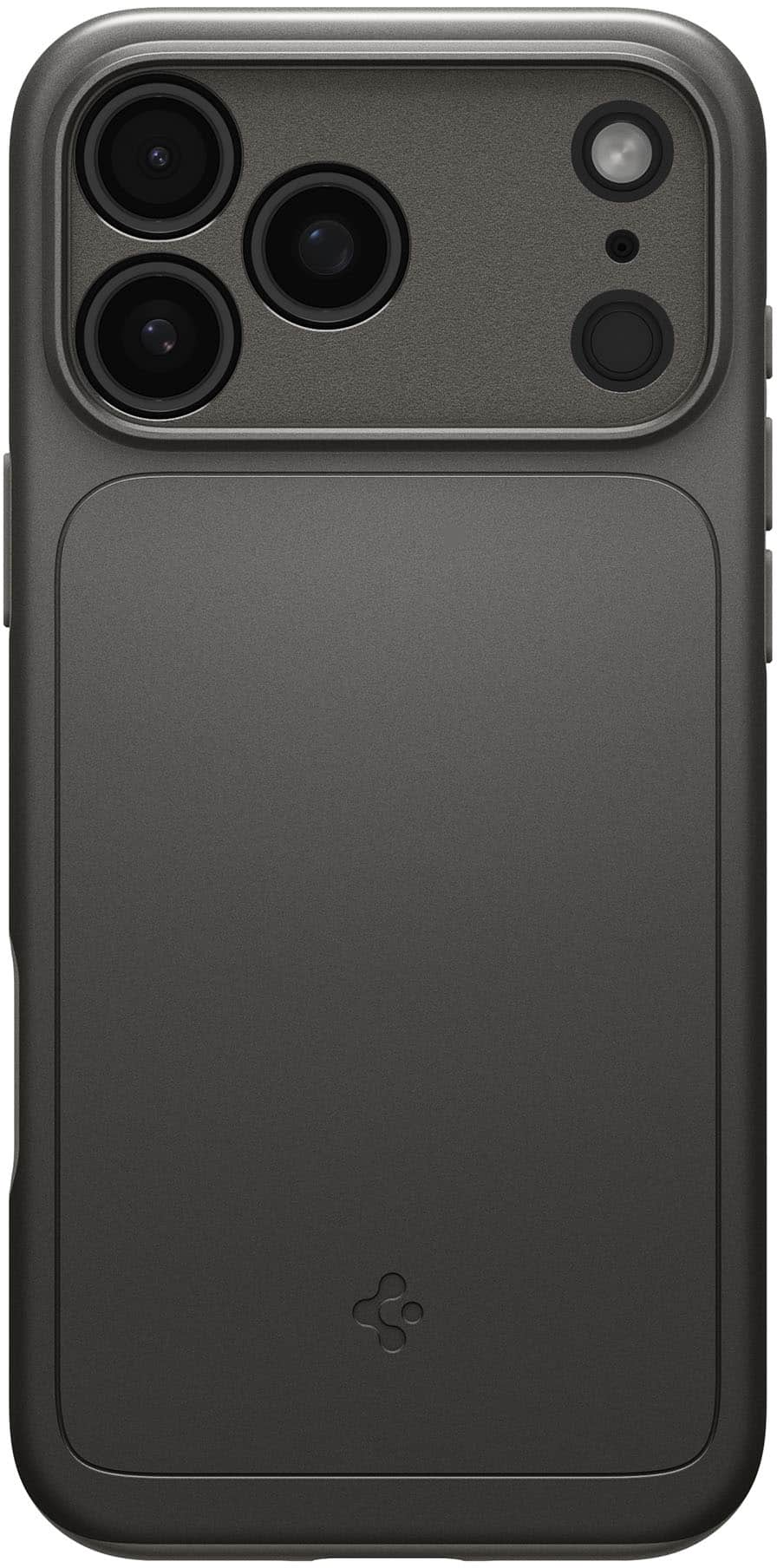
Clear cases used to be a joke. They’d turn yellow in three weeks. Gross. But modern materials — like polycarbonate backs with TPU bumpers — have improved. Some brands (Spigen, OtterBox Symmetry, Casetify) now use UV-resistant coatings. They stay clear for months. The trick? Look for cases that say “anti-yellowing” or “UV stabilized.” They’re not truly invisible, but they’re close. They let the phone’s original color shine through.
That said, clear cases can still trap dust. And they can be slippery. But for someone who wants to see their phone’s design while adding a bit of drop protection? It’s a solid middle ground.
What About the Camera Bump?
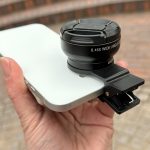
Ah, the camera bump — the bane of flat-back lovers. Most minimalist cases leave it exposed. But some have a raised lip around the lenses. That tiny ridge is crucial. It prevents the glass from touching a table. If you’re going truly invisible, consider a camera lens protector. It’s a tiny glass circle that sticks over the lenses. It adds almost no height. And it saves you from that one gritty surface that scratches your lens.
| Solution | Drop Protection | Scratch Protection | Invisibility Level |
|---|---|---|---|
| Ultra-thin case | Low | Medium | High |
| Tempered glass | Medium (screen) | High | Very High |
| Nano coating | Very Low | Low | Perfect |
| Skin wrap | None | Medium | High |
| Clear case (anti-yellow) | Medium | High | Medium |
| Camera lens protector | None | High (lens) | Very High |
This table is a quick cheat sheet. Honestly, there’s no perfect solution. It’s about what you value more: peace of mind or aesthetics.
The “Invisible” Tech That’s Changing the Game
I’ve got to mention something weirdly cool: self-healing films. Some screen protectors (like those from ZAGG or RhinoShield) have a polymer layer that “heals” minor scratches over time. You get a shallow scuff, and after a few hours, it’s gone. It’s not magic — it’s material science. But it feels like magic. For the minimalist, this is huge. You don’t have to replace the protector every time you get a micro-scratch.
Another trend? Magnetic accessories. MagSafe rings and wallets that attach to the back of your phone. They’re not protection per se, but they reduce the need for a bulky case. You can go caseless, slap on a MagSafe ring for grip, and use a pop socket when you need it. It’s modular minimalism.
Pain Points: The Real Talk
Let’s be real for a second. Invisible protection has downsides. Ultra-thin cases get loose over time. Nano coatings wear off after a few months. Clear cases still yellow eventually (just slower). And skins? They’re a pain to apply perfectly. You’ll get a bubble or two. It’s okay. It’s part of the process.
But the biggest pain point? False confidence. People think a 0.3mm case makes their phone indestructible. It doesn’t. If you drop it on a sharp rock, you’re toast. So, manage your expectations. Invisible protection is about reducing risk, not eliminating it. It’s like wearing a condom — it helps, but nothing is 100%.
How to Choose Your Combo
Here’s a quick framework. Ask yourself three questions:
- How often do you drop your phone? If it’s once a year, go with a skin + tempered glass. If it’s weekly, get a clear case with a raised lip.
- Do you care about the phone’s original feel? If yes, skip the case entirely and use a nano coating + camera protector. You’ll feel the cold aluminum or glass.
- What’s your budget? Skins are $10-$20. Nano coatings are $15-$30. Ultra-thin cases are $20-$40. Tempered glass is $10-$50. Mix and match.
Personally? I run a totallee case on my iPhone. It’s 0.35mm thick. I pair it with a cheap tempered glass from Amazon. I’ve dropped it twice on carpet. No damage. But I know if I drop it on pavement, I’m screwed. And I’m okay with that. Because my phone looks like… a phone. Not a tank.
The Future of Invisible Protection
We’re seeing prototypes of self-healing polymers that could be built into phone bodies. Imagine a phone that heals its own scratches. Or liquid glass coatings that are applied at the factory. Some manufacturers are already experimenting with ceramic shields (like Corning’s Victus). The goal is to make cases obsolete. We’re not there yet, but we’re close.
Until then, the best minimalist protection is the one you don’t think about. It’s a film you forget is there. A case that feels like nothing. A shield that’s invisible — until you need it.
So, go ahead. Let your phone breathe. Just give it a little armor — the kind you can’t see.